




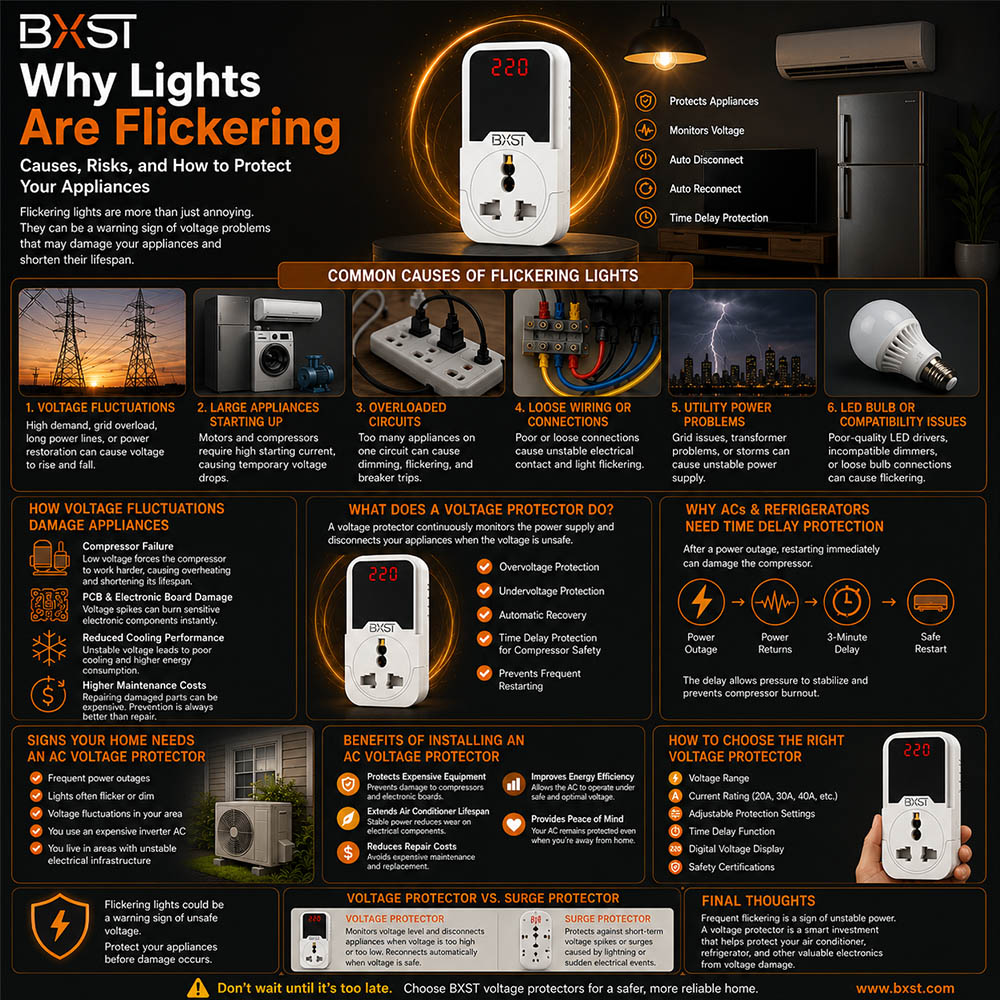
Why Lights Are Flickering: Causes, Risks, and How to Protect Your Appliances
2026-08-15Have you ever noticed your lights flickering when you turn on an air conditioner, refrigerator, washing machine, or other large appliance? Occasional light flickering may seem harmless, but frequent or persistent flickering lights can be a warning sign of voltage fluctuations, overloaded circuits, loose electrical connections, or problems with the power supply. More importantly, unstable voltage does not only affect your lights. It can also place stress on sensitive electronics and household appliances. In this guide, we'll explain why lights are flickering, what causes voltage fluctuations, whether flickering lights can damage appliances, and how a voltage protector can help protect your electrical devices
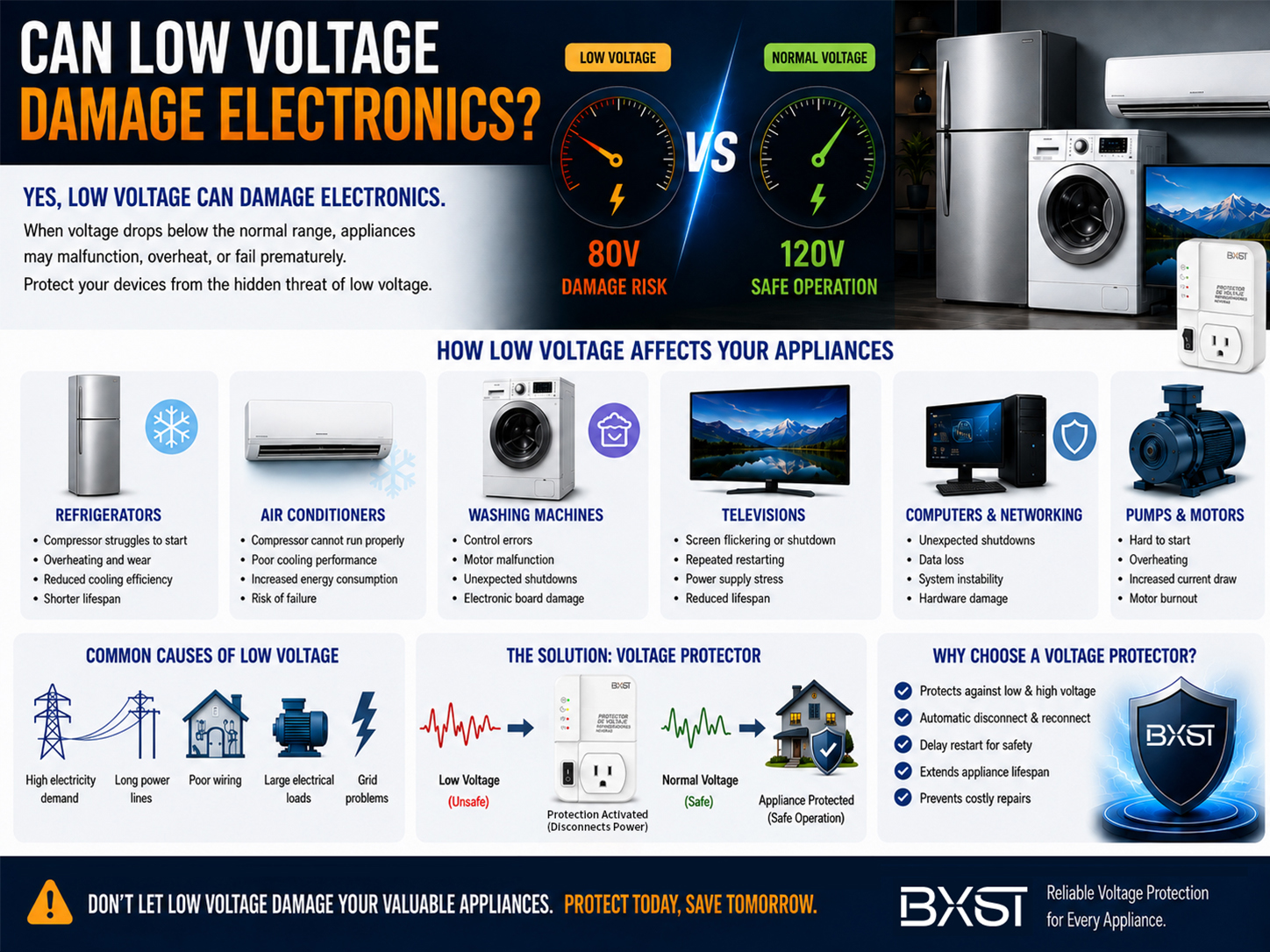
Can Low Voltage Damage Electronics?
2026-08-13Many people assume that only high voltage or power surges can damage electrical equipment. However, low voltage—also called under-voltage—can also create serious problems. When the voltage supplied to an appliance falls below its normal operating range, the equipment may not receive enough electrical energy to operate correctly. Motors may overheat, compressors may struggle to start, and electronic power supplies may malfunction or repeatedly restart. This is particularly important in areas where voltage fluctuations, brownouts, and unstable power supplies are common.
Power Surge vs Voltage Spike: What's the Difference and How Can You Protect Your Appliances?
2026-08-07When an electrical device suddenly stops working after a storm, power outage, or electrical disturbance, a power surge or voltage spike may be responsible. But are a power surge and a voltage spike the same thing? Not exactly. Although the terms are often used interchangeably, they can describe slightly different types of temporary voltage disturbances. Understanding the difference can help homeowners, electricians, distributors, and electrical equipment buyers choose the right protection solution. In this article, we'll explain power surge vs voltage spike, what causes them, how they can damage appliances, and how a voltage protector or surge protector can help protect sensitive electrical equipment.
Brownout vs Blackout: What's the Difference and How Can You Protect Your Appliances?
2026-08-06When the power suddenly becomes unstable, many people immediately think of a blackout. However, another common electrical problem—a brownout—can be just as dangerous, and in some cases, even more harmful to your home appliances. Understanding the difference between brownout vs blackout is essential for protecting expensive household devices such as refrigerators, air conditioners, washing machines, televisions, and water pumps. In this guide, we'll explain what each power event means, how they affect your appliances, and why installing a voltage protector is one of the smartest investments for your home.
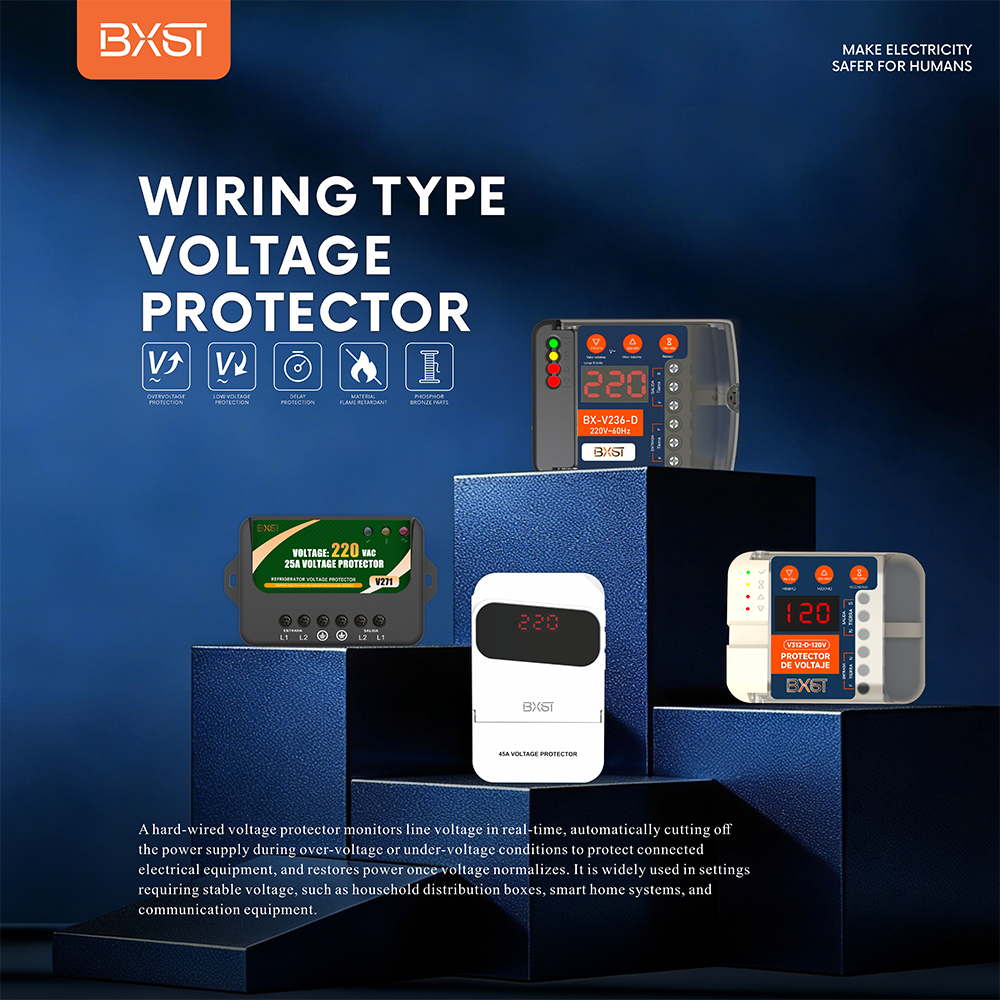
Voltage Fluctuations & Frequent Blackouts Across Latin America 2026 | Full Protection Solutions for Homes & Factories
2026-07-02In 2026, unstable power supply has become a widespread crisis sweeping every corner of Latin America, covering South America, Central America and the Caribbean islands. From extreme voltage swings in Venezuela, dual-voltage confusion in Brazil, nationwide blackouts in Panama and Cuba, to destructive lightning surges across Central America, residential households, rental properties, small retail stores and family-run businesses are suffering heavy losses caused by erratic grid power. Aging power grids, El Niño-induced hydropower shortages, summer AC-driven grid overload, frequent thunderstorm lightning strikes, and regional voltage standard confusion create three core residential power hazards: severe undervoltage, destructive overvoltage surges, and unplanned frequent blackouts. Without proper voltage protection, home appliances burn out rapidly, refrigerated food spoils, and daily electronic devices face permanent damage. This article breaks down the most common residential power pain points across Latin American countries, analyzes the hidden risks of unstable voltage for home devices, and provides complete, easy-to-adopt power stabilization and surge protection solutions for households and small commercial spaces.
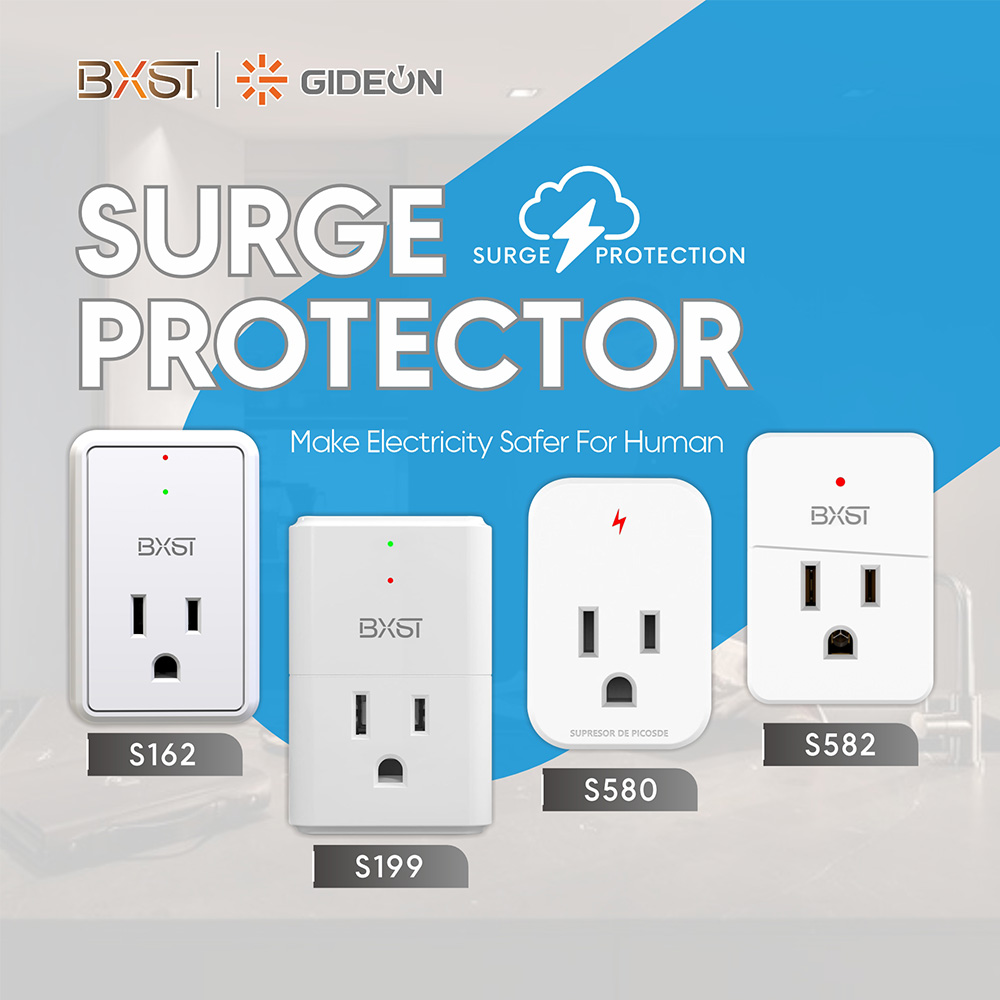
How Long Does a Surge Protector Last? Signs It's Time to Replace Yours
2026-06-29Many people assume that a surge protector will continue protecting their electronics indefinitely. In reality, surge protectors have a limited service life. Every time a surge protector absorbs a voltage spike caused by lightning, utility switching, or power grid disturbances, a small portion of its protective components wears out. Eventually, it may no longer provide the level of protection your devices need—even if it still supplies power.
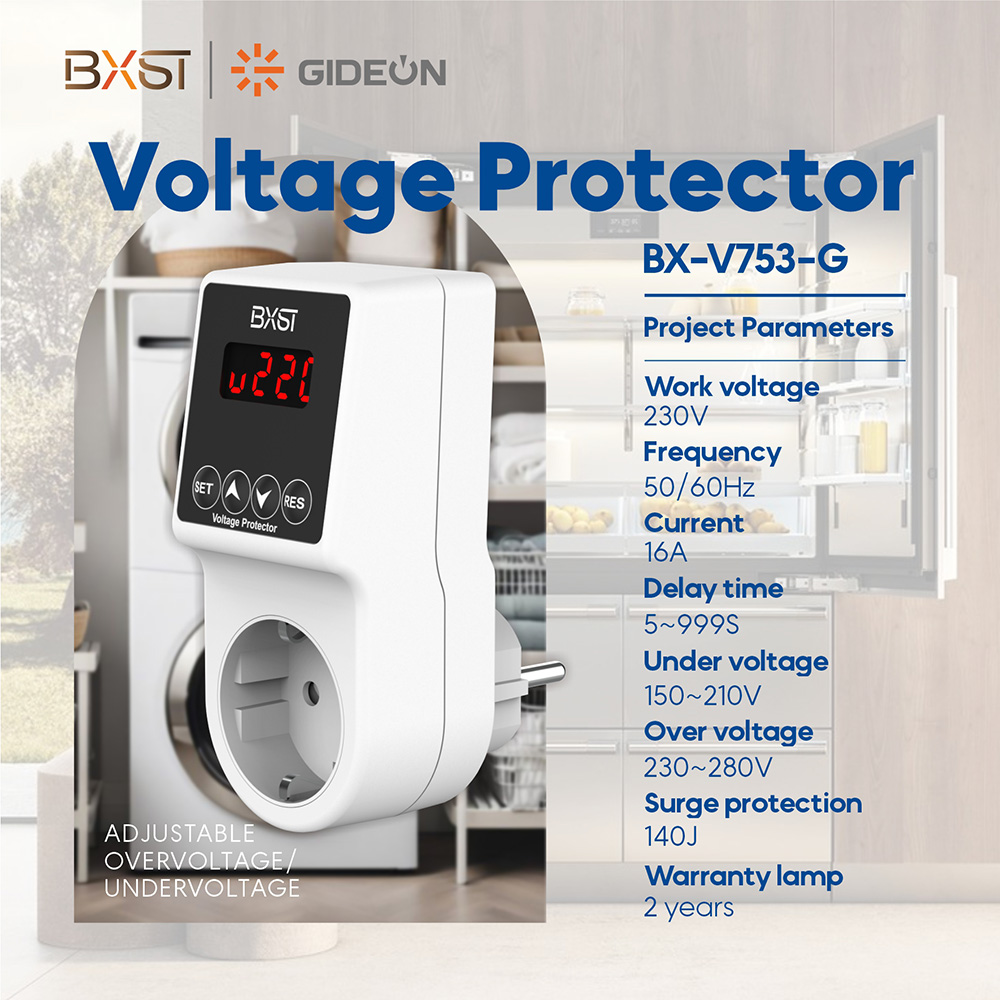
Why Are Home Appliances Still Damaged by Lightning During the Rainy Season in the Caribbean and Central America?
2026-06-28The Caribbean and Central America experience some of the world's most active lightning seasons. Months of heavy rainfall, high humidity, and frequent thunderstorms expose homes and commercial buildings to repeated electrical surges.
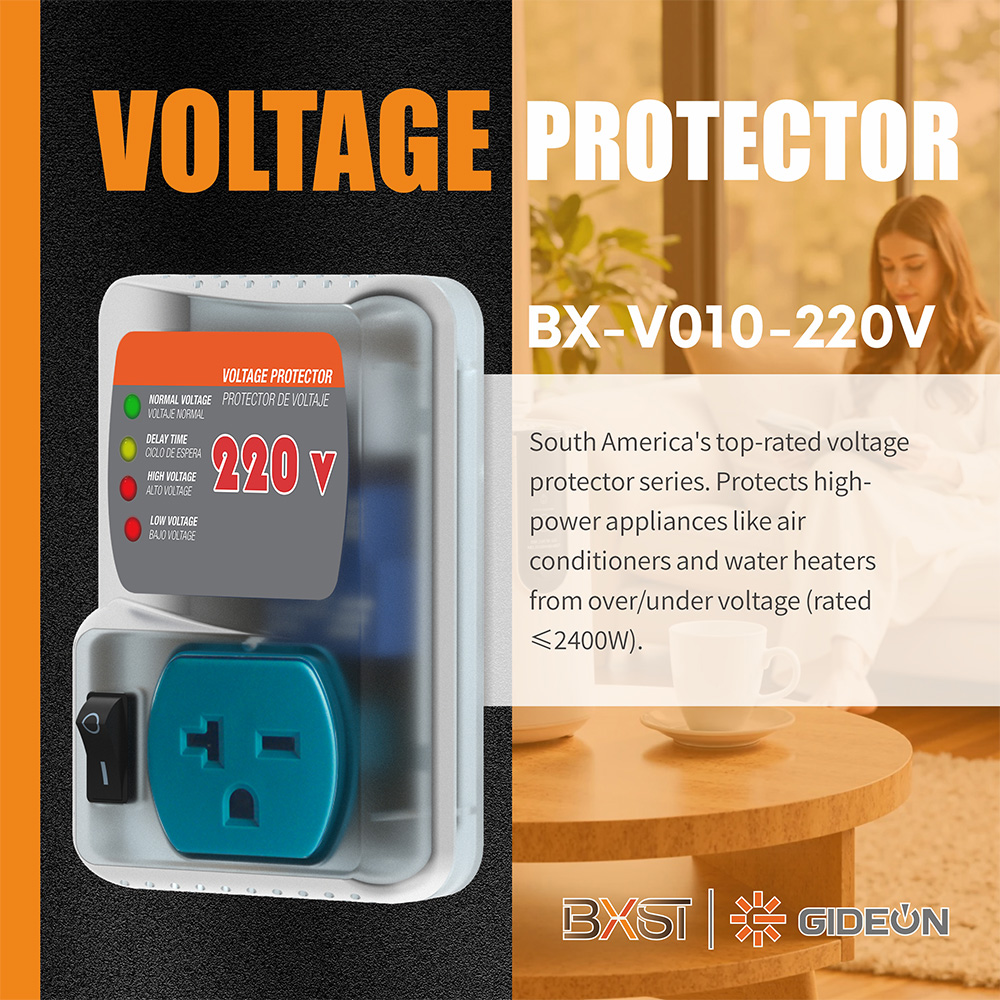
Aging Power Grids and Extreme Weather: Why Voltage Protection Is Essential for Home Appliance Safety
2026-06-15Introduction: A Growing Threat to Modern Electrical Systems Across the United States and other regions, two major forces are putting increasing stress on the power infrastructure: aging electrical grids and rising extreme weather events. From heatwaves and hurricanes to winter storms and wildfires, the electrical system is being pushed closer to its operational limits. At the same time, decades-old transmission and distribution infrastructure are becoming less reliable. This combination is not only increasing the risk of power outages, but also causing a less visible and often overlooked issue: voltage instability. For homeowners, this means a higher risk of damage to everyday appliances—and a growing need for voltage protection devices (Voltage Protectors).